

So, you’ve been dealing with a bit of discomfort in your lower back and down your leg, huh? Well, let me tell you, my friend, you might just be experiencing a little thing called sciatica. Now, I know it’s not the most pleasant feeling in the world, but don’t you worry! I’ve got some tips, exercises, and supportive products that are gonna help you tackle this pesky issue head-on.
First things first, let’s talk about what causes sciatica and what symptoms you might be experiencing. It’s all about that pesky nerve, you see, and when it gets irritated or compressed, well, that’s when the trouble starts. You might feel pain, tingling, or even numbness shooting down your leg – not the most fun, I know.
But fear not, my friend, because there are some things you can do to find relief. Seeking professional treatment is a great place to start. They can help pinpoint the cause of your sciatica and provide you with some targeted solutions. Plus, they might even recommend some stretching and strengthening exercises to help ease your discomfort.
And speaking of exercises, don’t forget to incorporate those into your routine! Stretching and strengthening the muscles around your lower back and legs can work wonders for relieving sciatica pain. Just be sure to take it slow and listen to your body – you don’t want to overdo it.
Now, if you’re looking for some immediate relief, supportive products can be your best friends. From heat packs to supportive cushions, these little gems can provide you with some much-needed comfort during those tough moments.
And finally, my friend, let’s talk prevention. Making some lifestyle changes can go a long way in preventing future episodes of sciatica. Things like maintaining good posture, staying active, and avoiding prolonged sitting can all help keep that pesky nerve happy and pain-free.
So, there you have it – a little crash course in dealing with sciatica. Remember, my friend, you’re not alone in this journey. With the right tips, exercises, and supportive products, you can kick sciatica to the curb and get back to enjoying life to the fullest.
Key Takeaways
- Seeking professional treatment is recommended to pinpoint the cause and find targeted solutions.
- Incorporating stretching and strengthening exercises can help relieve sciatica pain.
- Supportive products such as lumbar pillows and back braces can provide pain relief.
– Lifestyle changes, such as maintaining good posture and staying active, can prevent future episodes of sciatica.
Understand the Causes and Symptoms of Sciatica
If you’ve ever had sciatica, you know how much it hurts. It can make it hard to do anything.
So, let’s talk about what causes sciatica and what the symptoms are.
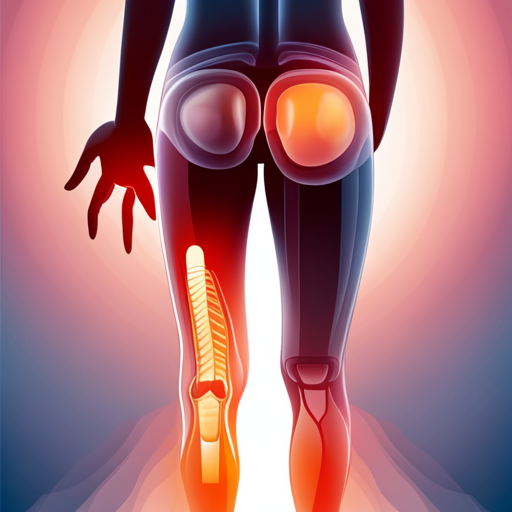
Sciatica happens when something pushes on your sciatic nerve. This nerve starts in your lower back and goes down your leg. It can get pressed on by a herniated disc or a bone spur.
When this happens, you might feel pain, numbness, or tingling in your leg. Sometimes it’s really bad and you can’t even walk.
So, now that you know what causes sciatica and what the symptoms are, let’s talk about what you can do to help yourself.
Seek Professional Treatment

When seeking professional treatment for sciatica, it’s important to talk to a doctor who knows a lot about it. They can give you professional advice and help you find the best treatment options. They might suggest things like physical therapy or chiropractic care. These alternative treatments can sometimes be helpful in relieving symptoms and improving mobility.
Your doctor might also recommend medications to help manage pain and inflammation. Remember, it’s important to follow their instructions and take any prescribed medications as directed. Seeking professional treatment is an important step in managing sciatica and finding relief.
Once you have their guidance, you can move on to the next section about incorporating stretching and strengthening exercises. It’s a great way to continue your journey towards feeling better.
Incorporate Stretching and Strengthening Exercises

To start feeling better and improve your mobility, try incorporating stretching and strengthening exercises into your routine. Here are three simple exercises that can help you prevent sciatica and relieve its symptoms:
- Hamstring Stretch: Sit on the edge of a chair, extend one leg straight out in front of you, and bend the other leg with your foot flat on the floor. Slowly lean forward, reaching towards your toes, until you feel a gentle stretch in the back of your leg. Hold for 30 seconds and repeat three times on each leg.
- Piriformis Stretch: Lie on your back with both knees bent. Cross one ankle over the opposite knee, then gently pull the uncrossed leg towards your chest until you feel a stretch in your buttocks. Hold for 30 seconds and repeat three times on each side.
- Core Strengthening: Engage your core by doing exercises like planks, bridges, and pelvic tilts. These exercises help stabilize your spine and reduce pressure on the sciatic nerve.
Incorporating these preventive measures and recommended stretches into your routine can help alleviate sciatica symptoms and improve your overall mobility.
Now, let’s move on to the next section about using supportive products for pain relief.
Use Supportive Products for Pain Relief

By incorporating supportive products into your routine, you can find relief from the pain caused by sciatica and improve your overall well-being. Supportive product recommendations include things like lumbar pillows, which provide extra support for your lower back when sitting or lying down. These pillows can help alleviate pressure on your sciatic nerve and reduce discomfort.
Another helpful product is a back brace, which can provide stability and support to your lower back, reducing the strain on your sciatic nerve. Using a heating pad or a hot water bottle can also help soothe the pain and relax your muscles.
The benefits of using supportive products are immense. They can help reduce pain, improve mobility, and enhance your quality of life. By incorporating these products into your routine, you can experience significant relief from sciatica symptoms.
Now, let’s move on to the next section about adopting lifestyle changes to prevent future episodes.
Adopt Lifestyle Changes to Prevent Future Episodes

If you want to avoid future episodes of sciatica, you need to start practicing good posture and body mechanics. This means making sure you’re not putting extra strain on your lower back by slouching or lifting heavy objects incorrectly.
You should also adopt healthy habits like exercising regularly, maintaining a healthy weight, and finding ways to manage your stress levels.
Practice good posture and body mechanics to reduce strain on the lower back
Maintaining good posture and body mechanics is super important in reducing strain on your lower back, so you can finally say bye-bye to that annoying sciatica pain. Here are some things you can do to help reduce discomfort and prevent injury:
- When sitting, make sure to sit up straight with your feet flat on the floor. Avoid slouching or crossing your legs, as this can put extra pressure on your lower back.
- When lifting heavy things, remember to bend your knees and use your legs instead of your back. This helps to distribute the weight evenly and avoid straining your back.
- Don’t forget to take breaks and stretch throughout the day. Sitting or standing in one position for too long can make your back muscles stiff and sore.
By practicing good posture and body mechanics, you can give your lower back the love and support it needs.
So, let’s move on to the next section and learn about how to implement healthy habits such as regular exercise, maintaining a healthy weight, and managing stress levels.
Implement healthy habits such as regular exercise, maintaining a healthy weight, and managing stress levels
To implement healthy habits such as regular exercise, maintaining a healthy weight, and managing stress levels, you can start by making small changes to your daily routine that will have a big impact on your overall well-being.
Regular physical activity is crucial in managing sciatica. Simple exercises like walking, swimming, or even stretching can help strengthen your muscles and reduce pain. Make sure to start slow and gradually increase the intensity of your workouts.
Additionally, stress management plays a significant role in managing sciatica symptoms. Find activities that help you relax, such as deep breathing, meditation, or engaging in hobbies you enjoy. It’s important to prioritize self-care and take time for yourself.
By incorporating regular physical activity and stress management techniques into your daily routine, you can improve your overall health and effectively manage sciatica.
Frequently Asked Questions
How long does it usually take for sciatica symptoms to improve with professional treatment?
With professional treatment, sciatica symptoms can usually improve in a few weeks to a few months. Physical therapy can speed up the recovery process by strengthening the muscles and improving flexibility in the affected area.
Are there any specific exercises that should be avoided if you have sciatica?
Some exercises should be avoided if you have sciatica. Instead, focus on doing recommended exercises that won’t worsen your pain. Be careful and listen to your body to prevent further discomfort.
Can a supportive product like a back brace be used continuously for pain relief?
Yes, you can wear a back brace all the time for pain relief. But don’t forget to try other ways to ease the pain too. There are different methods you can use.
What are some lifestyle changes that can help prevent future episodes of sciatica?
To prevent future episodes of sciatica, make mindful modifications to your daily routine. Try taking timely breaks, taking walks, and maintaining a healthy weight. These lifestyle changes can help keep sciatica at bay.
Are there any alternative treatments or therapies that can complement professional treatment for sciatica?
To help with sciatica, you can try alternative therapies and natural remedies. These can complement professional treatment. They include things like acupuncture, chiropractic care, herbal supplements, and yoga.
Conclusion
So now you know all about dealing with sciatica! It’s important to remember that professional treatment is key, but you can also do exercises and use supportive products to help with the pain.
Think of it like a team of superheroes fighting against the evil sciatica. Stretching and strengthening exercises are like Captain Stretch saving the day, while supportive products are like Wonder Pain Relief giving you a helping hand.
And don’t forget to make some lifestyle changes to prevent future episodes. You’ve got this, superhero! Keep fighting the sciatica villain!