

Are you tired of suffering from chronic back pain that just won’t go away? Well, get ready to uncover the secret behind your aching back! In this article, we will dive deep into the mysterious connection between your emotional health and those nagging pains. Brace yourself, because what you are about to discover may surprise you.
Have you ever wondered why some days your back feels fine, while other days it feels like a hot poker is stabbing you? The answer lies in the mind-body connection. Yes, that’s right, your emotional well-being can actually influence the intensity of your back pain. It’s like your mind and body are in cahoots, playing a wicked game with your well-being.
But what exactly is the role of stress in all this? How does anxiety make your back ache even more? And what about depression? You’ll be amazed to learn how these emotions can wreak havoc on your back. Don’t worry, though, because we’ve got you covered. We will explore holistic approaches to managing both your emotional health and back pain, so you can finally find some relief.
Get ready to embark on a journey of self-discovery as we decipher the enigmatic connection between emotional health and chronic back pain. Buckle up, because things are about to get interesting!
Key Takeaways
- Chronic back pain can be influenced by emotional well-being.
- Techniques such as deep breathing, progressive muscle relaxation, and mindfulness can help manage stress and reduce pain.
- Anxiety can worsen back pain, and managing anxiety through relaxation exercises, cognitive therapy, and physical activity is important.
– A combination of holistic therapies and medication can be an effective approach to treating both depression and back pain.
Understanding the Mind-Body Connection
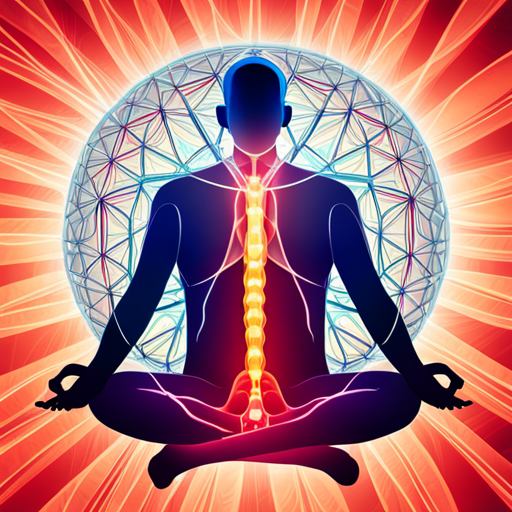
Understanding the mind-body connection is like peering through a keyhole into the intricate dance between our emotional well-being and chronic back pain. It’s like when you know that your emotions can affect your physical health, but you don’t really know how or why.
Well, the mind-body connection is the link between your thoughts, feelings, and your body’s physical responses. It’s like when you’re stressed out or feeling down, and then your back starts hurting for no apparent reason. It’s all connected!
Your emotional well-being can actually impact the intensity and duration of your chronic back pain. So, taking care of your emotional health is just as important as taking care of your physical health.
Now, let’s move on and talk about the role of stress in chronic back pain.
The Role of Stress in Chronic Back Pain

Stress is like a big bully that likes to mess with your body, especially your back. It can make your muscles all tight and achy, making your back hurt even more.
But don’t worry, there are some cool tricks you can try to manage stress and make your pain go away. Like taking deep breaths or doing yoga, these things can help you relax and feel better.
So, don’t let stress be the boss of you, take charge and kick it to the curb!
How stress affects the body
Cortisol, the stress hormone, can make your back hurt a lot. When you’re stressed, your body releases cortisol, and if it keeps happening, it can mess up your whole body.
Stress can mess up your physical health and make you feel sick. It can even make your back hurt more by causing inflammation. Inflammation is when your body gets all swollen and sore.
So, when you’re stressed, your body makes cortisol, which can cause inflammation, and that can make your back hurt even more. But don’t worry, there are ways to manage stress and reduce pain.
You can learn techniques to help you relax and calm down. These techniques can make a big difference in how you feel and help you have less pain.
Techniques for managing stress and reducing pain
Try out these simple techniques to manage stress and reduce pain in your everyday life. Managing stress is important for your emotional well-being and can also have a positive impact on your physical health, including chronic back pain.
One technique you can try is deep breathing. Take slow, deep breaths and focus on your breath as you inhale and exhale.
Another technique is progressive muscle relaxation. Start by tensing and then relaxing each muscle group in your body, from your toes to your head.
You can also try practicing mindfulness, which involves being present in the moment and focusing on your thoughts and feelings without judgment.
By incorporating these techniques into your daily routine, you can effectively manage stress and experience a reduction in pain.
Now let’s explore the connection between anxiety and its impact on back pain.
Anxiety and its Impact on Back Pain
When anxiety takes hold, it can feel like a dark cloud looming over your back, weighing you down with each step. Managing anxiety is important for reducing back pain. Here are some ways to cope with anxiety and lessen its impact on your back:
- Anxiety management techniques: Learn relaxation exercises, deep breathing, and mindfulness to calm your mind and body.
- Cognitive therapy: Work with a therapist to identify and challenge negative thought patterns that contribute to anxiety.
- Physical activity: Engaging in regular exercise can help release endorphins, which improve mood and reduce anxiety.
Understanding the connection between anxiety and back pain is crucial for finding relief.
In the next section, we will explore how depression can also contribute to chronic back pain.
The Relationship Between Depression and Back Pain

Depression can make your back pain even worse, making it harder to cope with on a daily basis. But don’t worry, there are treatment options available that can help with both your depression and back pain.
You can talk to your doctor about medications, therapy, and other techniques that can provide relief for both your emotional and physical symptoms.
How depression can worsen chronic pain
Experiencing a constant battle with chronic pain can make it feel like there’s no escape from the dark cloud hanging over you. When it comes to depression’s impact on physical health, mental health, and chronic pain, the connection is undeniable. Depression can actually worsen chronic pain, making it even more difficult to cope with.
The constant feeling of sadness and hopelessness can amplify the intensity of the pain you feel, making it harder to find relief. It’s like a never-ending cycle, where the pain feeds into the depression and the depression makes the pain feel even worse. But don’t lose hope! There are treatment options available to address both depression and back pain. It’s important to seek help and find strategies that work for you.
Treatment options for addressing both depression and back pain
Don’t lose hope! You’ve got treatment options available that can help address both your depression and back pain. Here are three things you should know:
- Holistic Therapies: These are natural treatments that focus on your overall well-being. They can include things like acupuncture, yoga, and massage therapy. These therapies can help reduce stress and improve your mood, which can, in turn, alleviate your back pain.
- Medication Options: Sometimes, medication may be necessary to manage your depression and back pain. Your doctor may prescribe antidepressants or pain medications to help you feel better. It’s important to follow your doctor’s instructions and take your medications as prescribed.
- Combination Approach: Often, a combination of holistic therapies and medication can be the most effective way to treat both your depression and back pain. Talk to your healthcare provider about creating a treatment plan that incorporates both approaches.
Now, let’s explore holistic approaches to managing emotional health and back pain.
Holistic Approaches to Managing Emotional Health and Back Pain

One effective way to manage emotional health and back pain is by taking a holistic approach. It means thinking about how your mind and body are connected.
For example, if there’s a tight knot in a rope, it can make the whole rope feel uncomfortable and strained. The same thing can happen with unresolved emotional issues. They can show up as chronic back pain. So it’s important to take care of both your physical and emotional well-being.
One way to do this is by trying mindfulness practices. These can help you become more aware of your emotions and how they affect your body. You can also explore alternative therapies like acupuncture or massage. These can help relieve tension and promote relaxation.
By taking a holistic approach, you can find ways to manage both your emotional health and back pain.
Frequently Asked Questions
What are some common physical symptoms that may be associated with emotional or psychological distress?
When you’re feeling really upset or worried, sometimes your body can show it too. You might get headaches, stomachaches, or feel tired all the time. These physical symptoms can happen because of psychological distress.
How does chronic back pain impact a person’s emotional well-being and mental health?
Chronic back pain can really mess with your emotions and mental health. It’s like a vicious cycle: when you feel down, your pain gets worse, and when your pain gets worse, you feel even more down. It’s a tough battle.
Can emotional stress or trauma worsen existing back pain or increase the risk of developing chronic back pain?
Did you know that emotional stress can make your back pain worse? It’s true! Research shows that psychological distress can lead to more severe physical symptoms, like chronic back pain.
Are there any specific relaxation techniques or coping strategies that can help alleviate both emotional distress and chronic back pain?
There are ways to help you feel better both emotionally and physically. You can try relaxation techniques like deep breathing or meditation, and coping strategies like talking to someone or doing activities you enjoy.
What are some alternative treatments or complementary therapies that can be beneficial in managing emotional health and back pain?
To manage your emotional health and back pain, try alternative therapies like acupuncture or mindfulness meditation. These treatments can help you connect your mind and body, providing relief and relaxation.
Conclusion
So there you have it, buddy! Taking care of your emotional health is super important when it comes to managing chronic back pain. Stress can really mess with your back, and anxiety can make it even worse. And let’s not forget about depression, which can totally bring you down and make your back hurt even more.
But don’t worry, there are holistic approaches you can try to help both your emotions and your back. Just remember, a happy mind equals a happy spine!