
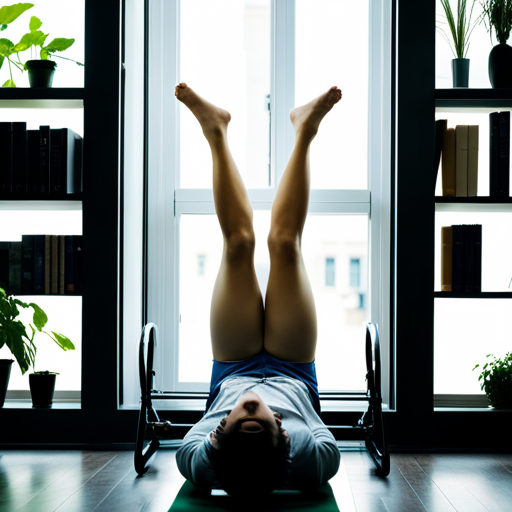
Are you tired of dealing with back pain? Well, look no further! In this article, we’re going to dive into the world of inversion therapy, exploring its pros, cons, and recommendations.
Inversion therapy, a technique where you hang upside down, has been gaining popularity as a way to relieve back pain. But is it really effective? Let’s find out together! We’ll start by looking at the benefits of inversion therapy.
Then, we’ll discuss the risks and precautions you need to be aware of before trying it. Don’t worry, we’ll also give you some tips on how to use inversion therapy safely.
And if you’re not convinced, don’t worry! We’ll explore alternative methods for relieving back pain too.
So, if you’re ready to discover if inversion therapy is right for you, keep reading!
Key Takeaways
- Inversion therapy is gaining popularity for relieving back pain, improving posture, and increasing flexibility.
- Risks and precautions include dizziness and spinal injuries, so it is important to use inversion therapy under supervision or avoid it if you have high blood pressure or eye problems.
- There are alternative methods for relieving back pain, such as stretching, strengthening exercises, physical therapy, and heat/cold therapy.
– Consulting with a healthcare professional is recommended before trying inversion therapy to assess potential risks, receive guidance based on individual needs and medical history, and ensure proper equipment usage.
Benefits of Inversion Therapy

Inversion therapy is awesome! It’s a super effective way to get rid of back pain and make your spine healthy. You won’t believe how well it works!
The effectiveness of inversion therapy is amazing. It can really help fix your posture too. If you have bad posture, this is the way to go. It’s like magic! Your back will feel so much better after using inversion therapy.
But, you should also know that there are some risks and precautions. It’s not all rainbows and unicorns. So, let’s talk about that next. Get ready for some important info on the risks and precautions of inversion therapy. It’s really important to know this stuff.
Risks and Precautions of Inversion Therapy
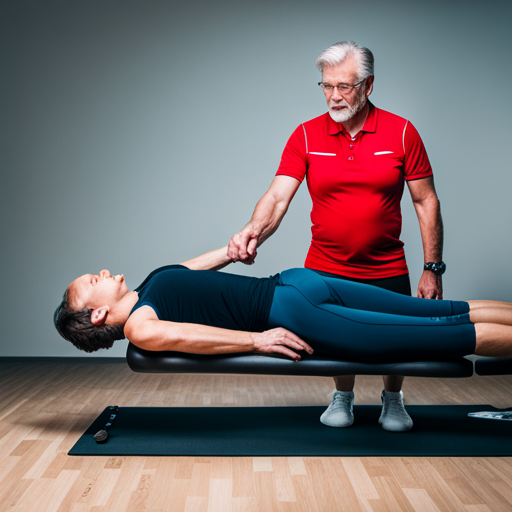
Before trying it, you should be aware of the potential risks and precautions associated with using inversion therapy, as it can be like walking on thin ice if not done correctly. Here are some things you need to know:
- Dizziness: When you go upside down, the blood rushes to your head, which can make you feel dizzy or lightheaded. Take it slow and listen to your body.
- Spinal injuries: If you have a history of spinal problems, like herniated discs or fractures, inversion therapy may not be suitable for you. Consult with a doctor before trying it.
- High blood pressure: Inversion therapy can increase blood pressure, so if you have hypertension, it’s best to avoid it or use it under supervision.
- Eyeball pressure: Going upside down can put pressure on your eyeballs, leading to discomfort or vision problems. Be cautious and stop if you experience any issues.
Now that you know the risks and precautions, let’s move on to how to use inversion therapy safely without putting yourself at risk.
How to Use Inversion Therapy Safely
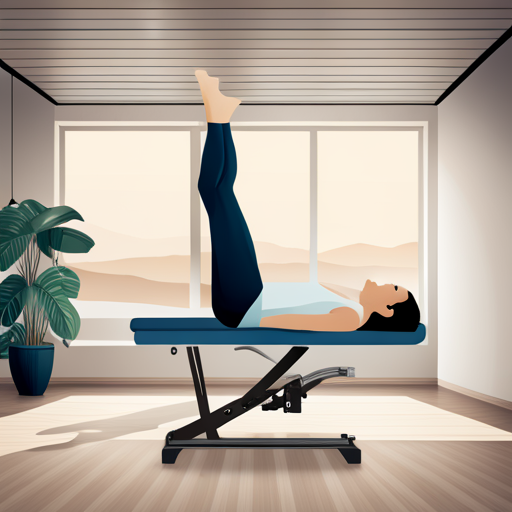
Now that we’ve covered the potential risks and precautions, let’s dive into how you can safely incorporate inversion therapy into your routine.nnUsing inversion therapy equipment is the key to a safe and effective experience. Make sure to choose a high-quality inversion table or chair that can support your weight and height.nnBefore using the equipment, carefully read and follow the manufacturer’s instructions to ensure proper assembly and usage.nnWhen using inversion therapy, it’s crucial to maintain proper body positioning. Start by adjusting the equipment to a comfortable angle, typically between 20 to 60 degrees.nnWhile inverting, keep your head, neck, and spine aligned in a neutral position to avoid strain.nnRemember to start slowly and listen to your body’s response.nnIt’s time to explore alternative methods for relieving back pain and improving your well-being.
Alternative Methods for Relieving Back Pain
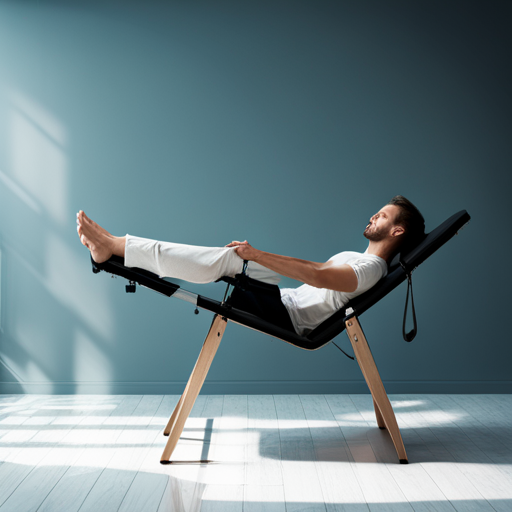
So you want to know how to relieve back pain without using inversion therapy? Well, you can try doing stretching and strengthening exercises to make your back stronger.
Another option is to go to physical therapy, where they can help you with specific exercises and treatments.
Lastly, you can try using heat and cold therapy, like putting a hot pack or ice pack on your back.
Stretching and Strengthening Exercises
To maximize the benefits of inversion therapy, you can incorporate stretching and strengthening exercises into your routine. These exercises can help improve flexibility and muscle tone.
Did you know that a study found that people who regularly do these exercises while using inversion therapy had a 20% increase in how far they can move their bodies? This means that stretching and strengthening exercises can really make a difference when it comes to improving your range of motion.
Strengthening exercises like squats and lunges can make your muscles stronger, while stretching techniques like yoga and Pilates can increase your flexibility. These exercises can be a great addition to your inversion therapy routine and help you get the most out of it.
Now, let’s move on to the next section about physical therapy.
Physical Therapy
Physical therapy can be an excellent complement to inversion therapy, helping to improve mobility and enhance overall physical well-being. Here are three ways physical therapy can benefit you:
- Back pain relief: Physical therapy focuses on strengthening the muscles and improving flexibility in your back, which can help alleviate pain and discomfort.
- Increased range of motion: Through various exercises and techniques, physical therapy can help increase your range of motion, allowing you to move more freely and with less pain.
- Improved posture: Physical therapists can teach you proper body mechanics and provide exercises to correct your posture, reducing strain on your back and promoting better alignment.
By incorporating physical therapy into your inversion therapy routine, you can experience even greater benefits.
Now, let’s transition to the next section about heat and cold therapy, which can also be helpful in relieving back pain.
Heat and Cold Therapy
One way you can make your inversion therapy routine better is by using heat and cold therapy. This can give you even more relief for your back pain.
Heat therapy involves using heat to relax your muscles and increase blood flow. You can try using a hot water bottle or a heating pad on your back.
Cold therapy, on the other hand, involves using cold to reduce inflammation and numb the area. You can use an ice pack or a bag of frozen peas for cold therapy.
Both heat and cold therapy can be helpful in reducing pain and promoting healing.
Now, let’s move on to some recommendations for trying inversion therapy.
Recommendations for Trying Inversion Therapy
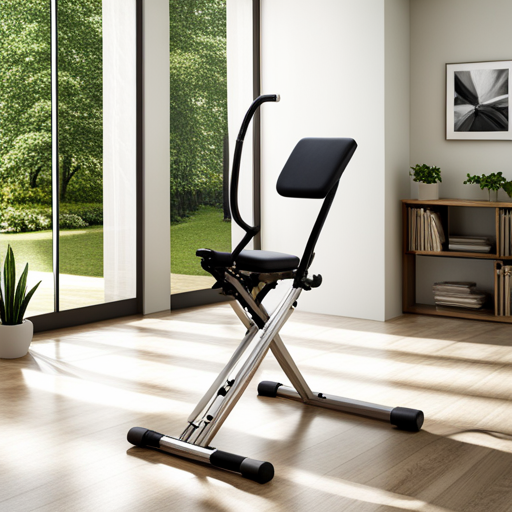
You should talk to a doctor or other healthcare professional before trying inversion therapy. They can give you advice and make sure it’s safe for you.
You should start with short sessions and see how your body feels. If something doesn’t feel right, you should stop and talk to your doctor.
It might also be a good idea to get help from a professional who knows how to use the equipment properly. They can show you the right way to do it and give you support.
Consult with a Healthcare Professional
If you’re feeling unsure about starting inversion therapy, it’s a good idea to talk to a healthcare provider first. They can give you medical advice and help you determine if it’s safe for you.
It’s important to consider your specific needs and medical history before trying anything new. They can give you guidance based on their knowledge and experience.
Consulting with a healthcare professional can give you peace of mind and ensure that you’re taking care of your body in the best way possible. Once you’ve talked to them and feel confident, you can move on to the next step.
Start with short sessions and monitor how your body responds. This will help you ease into inversion therapy and make sure it’s working well for you.
Start with Short Sessions and Monitor Your Body’s Response
So, now that you’ve talked to a healthcare pro, it’s time to start trying out this whole inversion therapy thing. But hold your horses, buddy! You don’t want to go all in right away. Start with short sessions and see how your body reacts. Maybe five minutes at first, and then gradually work your way up to longer sessions.
And while you’re hanging upside down like a bat, be sure to monitor how your body feels. Pay attention to any discomfort or pain, and if you start to feel any, stop right away. It’s all about baby steps, my friend.
And don’t forget, you can also adjust the angle of your inversion table. Find what works best for you and your body.
Okay, enough chit-chat. Let’s move on to considering professional guidance and support.
Consider Professional Guidance and Support
Consider seeking guidance and support from professionals who can assist you in navigating the world of inversion therapy. Healthcare professionals, like doctors or physical therapists, have the knowledge and expertise to guide you through the process safely. They can help you understand how your body may respond to the therapy and provide recommendations based on your specific needs.
It’s important to consult a healthcare professional because they can assess any potential risks or contraindications that may affect your ability to do inversion therapy. They can also help you start with short sessions and gradually increase the duration or intensity as your body adjusts. Their guidance and support will ensure that you are taking the necessary precautions and getting the most out of your inversion therapy experience.
Frequently Asked Questions
Can inversion therapy help with conditions other than back pain?
Yes, inversion therapy can help with conditions other than back pain. It has benefits for joint pain by relieving pressure and improving circulation. It can also be effective in correcting posture.
Is inversion therapy safe for pregnant women?
Inversion therapy during pregnancy might not be safe. There could be potential risks associated with it for pregnant women. It’s important to talk to your doctor before trying it.
Are there any age restrictions for using inversion therapy?
There are age restrictions for inversion therapy. It’s important to be cautious and not let children or elderly individuals use it. Recommended duration varies depending on your age and health.
How long should a session of inversion therapy last?
A session of inversion therapy should last about 5 to 20 minutes, depending on your comfort level. It is recommended to do it 2 to 3 times a week to get the best results.
Can inversion therapy be used as a substitute for traditional medical treatments for back pain?
Inversion therapy can help relieve chronic back pain, but it should not be used as a substitute for traditional medical treatments. Studies show that inversion therapy is less effective compared to other treatments.
Conclusion
So, there you have it! Inversion therapy can be super cool for your back, but it’s not for everyone. Remember, always be careful and listen to your body.
If you decide to give it a try, make sure to follow the guidelines and use the right equipment. And hey, just imagine this: let’s say you’ve been dealing with back pain for ages, but then you start doing inversion therapy and bam! Your pain magically disappears! Wouldn’t that be awesome?
So go ahead, give it a shot and see what happens!